Uncategorized

Process and Product Crocheters: Which Are You?

By Lindsay Jarvis

Are you a process or a product crocheter? Maybe you’ve never stopped to think about it or perhaps you’ve never heard of these categories before. Read on to learn more and find out what drives your crochet process.

Product Crocheters

How do you pick your crochet projects? If your main focus is the end result of your finished project, you’re likely a product crocheter. Because your main goal is to create the desired piece, you may not even look through the pattern before you begin. For fearless crocheters, this is a wonderful way to gain experience in new techniques you may not have otherwise tried. You choose your pattern based off of a garment or accessory that you want to wear or complete for a gift. Generally, product crocheters will focus on one project at a time and finish what they’ve started.
Process Crocheters

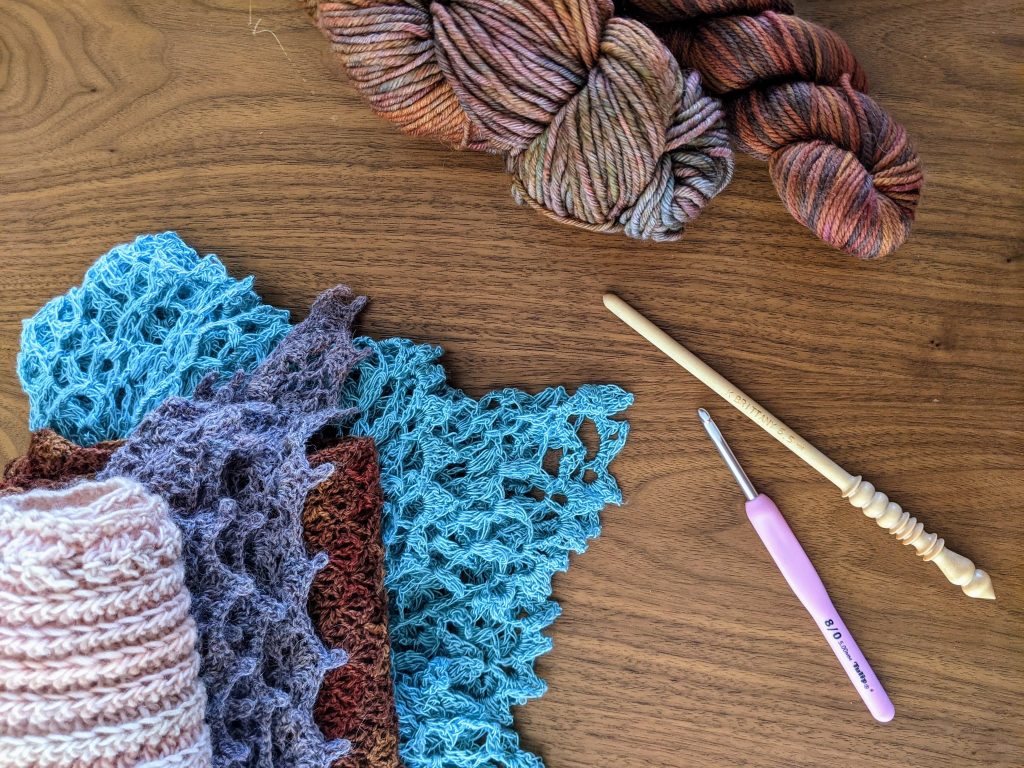
For process crocheters, it’s all about the journey. You love the act of crocheting and simply want to play with different yarns and your favorite stitches. Process crocheters tend to pick larger projects that allow you to crochet away without much stopping for measuring, hand finishing or fiddling with any kind of stitch you don’t enjoy. You may also cherish the act of searching for the perfect pattern, pairing with the perfect yarn, and swatching until everything is just right.
Combination Crocheters

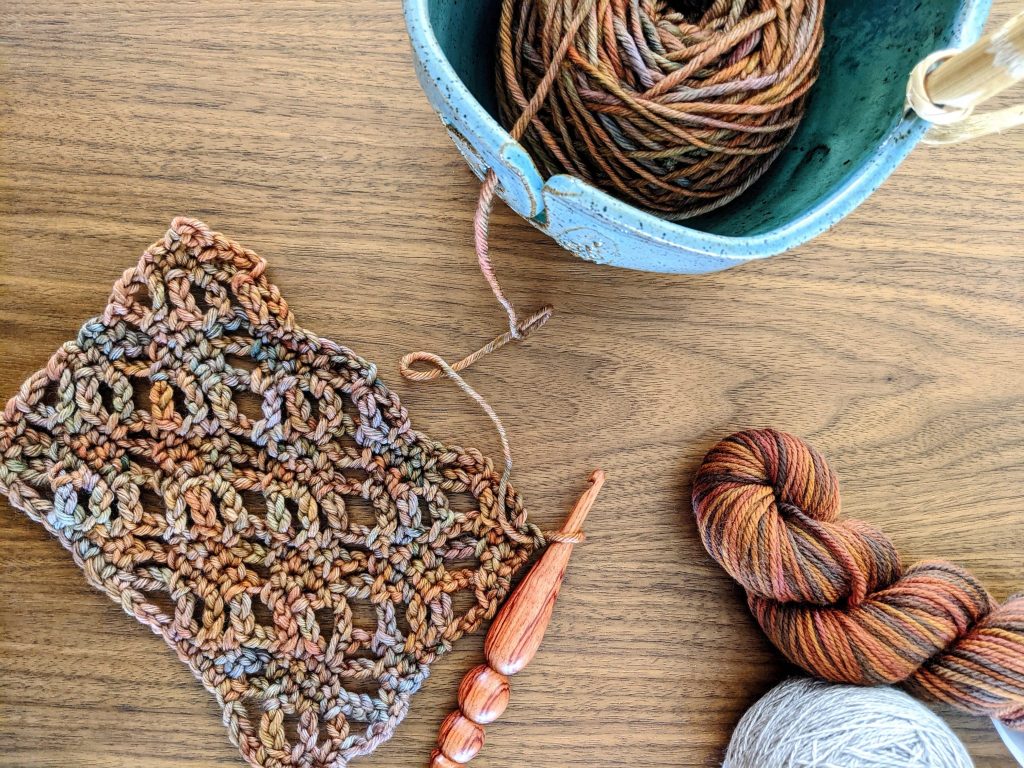
Most of us aren’t strictly process or product crocheters, but a combination of the two. I know there are certain stitches or finishing techniques that I just don’t enjoy, so I do tend to shy away from patterns that are heavy in those areas. For the most part, I have a rough idea of my finished product in mind when I’m searching for a pattern. I usually start with a yarn from my stash and the amount of yardage guides me to what is possible (one skein? A lacey scarf or hat. Several skeins? Sweater or shawl time!). From there, I look at what the end result would be and if I like it, I’ll take a closer look at the pattern to make sure I’ll enjoy creating the piece. Combination crocheters want to cherish both the act of their craft and the end result.
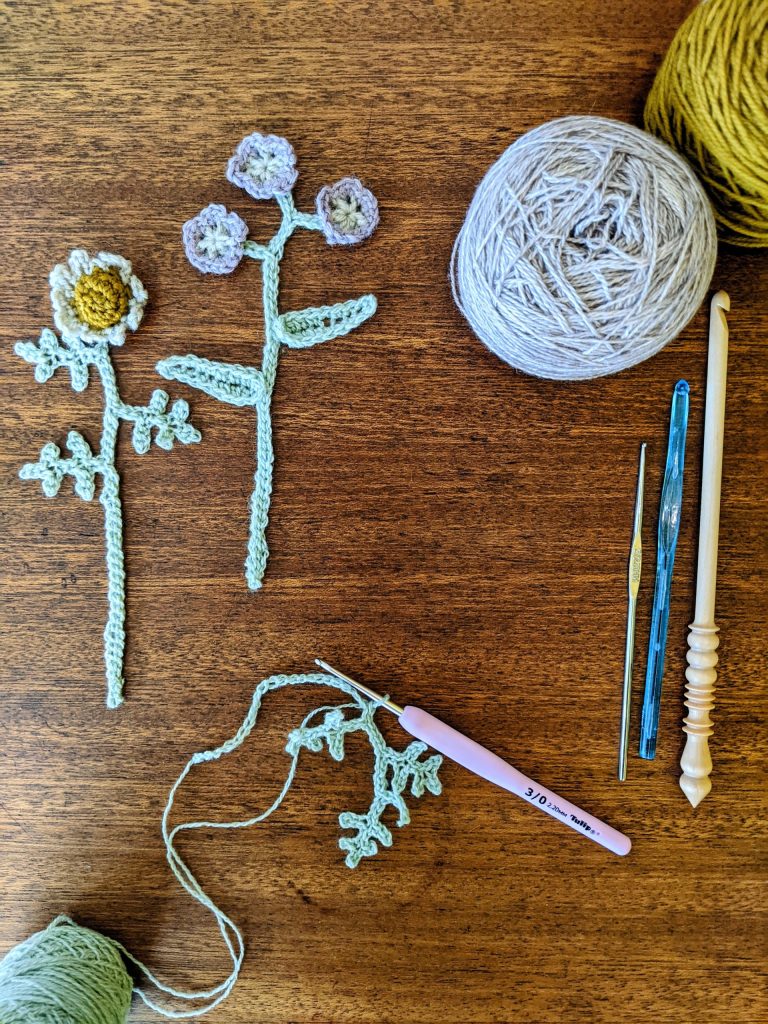
Something fun to note is that preferences can differ from craft to craft. I find my knitting process is very similar to my crochet process, however I’m definitely a product sewist. The act of sewing isn’t as therapeutic to me as crocheting, so I just want the project to be completed and off my sewing table. In contrast, sometimes I just want to crochet for the sake of crocheting. I’ll grab a skein or two of yarn, my hook and a simple pattern repeat to create a shawl or scarf that just goes and goes. I always want something in process on my hook or needles.

So, which type of crocheter are you? Whatever your process, cherish your crochet time!

Find the article here.

crochet

Which Do You Prefer? Knitting or Crochet?

Ask avid crocheters or knitters why you should learn their art and they’ll probably say because it’s the most beautiful and versatile art form. Some say one’s faster; others, more fashionable. Decide for yourself. We hope you learn both.

Crochet

Crochet is an extremely versatile and popular technique for making a variety of fashion and home decor accessories. By combining basic crochet stitches and lighter weight or softer yarns, you create a delicate, drapable fabric; a thicker yarn produces a sturdy fabric. Beautiful textured and raised stitches are especially easy to make in crochet.

All you need to crochet is a continuous strand of yarn and a single hook. You start with a slip stitch and continue to make loops (called chains), creating a foundation row. Rows are built on this foundation. Crochet stitches are made with loops and wrapping yarn around the hook. The loops are drawn through the wrapped yarn to make the stitches.

You can crochet in rows, keeping your work flat, or you can join your stitches, creating a ring and work in the round.


Knit


Knitting has long been the favorite technique for sweater making because of the detailing and color patterning that is possible, and the supple, drapable fabric the stitches produce. The two basic stitches–knit and purl–can be worked alone or together and form the basis of dozens of designs as well as other stitches.

Knitting requires two needles and a continuous strand of yarn. You begin by making a slip knot on one needle and “casting on” the number of stitches you need for the project. (That’s the term for creating the foundation row on one needle.) The basic stitches are created using both needles, wrapping the yarn over one needle and drawing the wrapped yarn through loops on the other needle.

Circular knitting needles–long, flexible needles with a point on each end–are growing in popularity because they eliminate seams and the need to continually turn your knitting at the end of a row.

Crafting with Yarn

Wrapping, twisting and braiding yarn provide endless home-dec and fashion possibilities. Make amazing silk tassels, twist multiple strands of yarn into holiday wreaths, braid boucle yarns to trim a favorite outfit, or just have fun wrapping gift boxes. The possibilities are endless, fast and fun.

Article HERE

crochet

What do I LOVE about Crochet?

I have though a lot about crochet the past few days and what aspect of the craft that I enjoy most. The conclusions are not surprising, to me, anyway.

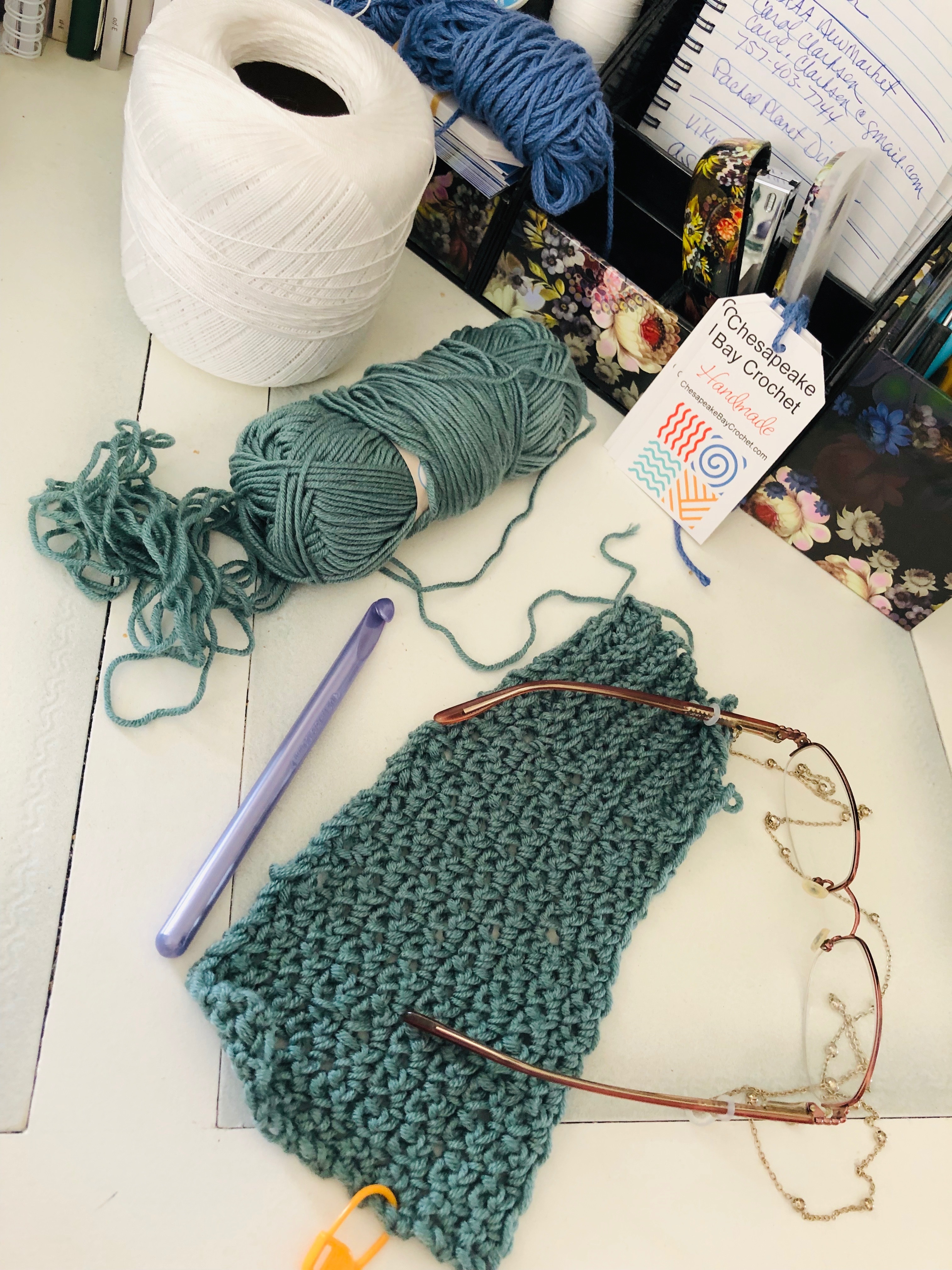
Doesn’t look like much, yet, but in my mind, it is already completed.

I love CREATING. I love making something beautiful that has erupted out of my brain. I love figuring out how to make it MINE.

What I don’t care for is repetition–Making the same thing over and over and over.

I LOVE unique items–Things that you don’t see absolutely everywhere.

I am currently creating a cowl that will work perfectly with your favorite steampunk outfit. Creativity never stops.